
Most Kiwis want strong money habits, but don’t know where to start.
It’s not just a bigger pay packet decide how healthy your wallet feels. When interest rates, rent, and groceries rise together, that difference shows up very fast.
Many Kiwis work hard yet reach the end of the week with nothing left over.
Spending happens on autopilot, and the stress of trying to buy a first home or pay a mortgage only adds more pressure.
The good news is that strong money habits are simple, everyday choices.
In this guide, you will see how budgeting, debt reduction, savings, KiwiSaver, emergency funds, insurance, and extra income from business or side gigs all link together. You will also see where Mortgage Managers fits in with home loans, savings and investments like KiwiSaver, and smarter money management.
Take one idea, act on it today, then build from there.
Small moves, repeated often, can reshape your financial future.
“Do not save what is left after spending, but spend what is left after saving.”
— Warren Buffett
Key Ideas:
Pay Yourself First, Not Last
Automatic saving the day your income arrives turns strong money habits into a steady routine. Instead of waiting to see what is left, you treat saving as a bill to your future self. Even 5 to 10 percent of income, sent straight to a savings or home deposit account, builds momentum over time.A Budget Only Works When It Reflects Real Life
A realistic budget starts with your actual bank data, not guesses. When you map three to six months of spending, patterns around food, fuel, and fun become very clear. That picture lets you adjust gently, instead of trying to live on an unrealistic bare‑bones plan.High-Interest Debt Is The Biggest Threat To Progress
Every dollar of credit card interest is a dollar that does not reach your deposit or mortgage. Clearing those balances frees up weekly cash and improves how banks view your application. Strong money habits treat consumer debt as something to remove, not live with.Your Emergency Fund Is Your First Safety Net
A simple cash buffer in a separate account keeps one surprise bill from sending you back into debt. Starting with $1,000 to $3,000 protects your plan while you save for a home. Over time, building this to three to six months of expenses brings serious peace of mind.KiwiSaver Is A Key Wealth Tool For New Zealanders
Regular KiwiSaver contributions plus employer payments and government credits grow faster than most people expect. After three years, many members can use that balance toward a first home. Tweaking your contribution rate now can bring that goal much closer.
Three Quick Actions You Can Take Today:
Open your banking app and scan the last 30 days of spending.
Set up a small automatic transfer (even $20 a week) to a separate savings account.
List every current debt and its interest rate on a single page or note.
Why Most New Zealanders Struggle With Money
Why most New Zealanders struggle with money often comes down to habits, not income level. Let’s discuss this in a bit more detail and look at ways to fix those “bad habits” and instead create some strong money habits that can stick with you for life.
Many households follow patterns that quietly block strong money habits from forming, and studies on Exploring Financial Shame show that discomfort around money conversations is a key barrier to change. The pattern feels normal until a goal like buying a home shows how tight things really are.
MoneyHub points out that plenty of hard‑working people end up with no spare funds week after week. Expenses go out to landlords, banks, power companies, and entertainment first. Whatever is left, if anything, drifts into savings. That “pay yourself last” pattern keeps people stuck for years.
Their research also highlights how few New Zealanders feel truly secure. According to ANZ, 47 percent of Kiwis say they are “doing OK” with money and only 25 percent report “no worries.” That leaves a large group under pressure, especially when interest rates move.
Common habits that hold people back include:
No written budget or spending plan.
Treating savings as optional instead of essential.
Relying on credit cards or buy‑now‑pay‑later for normal expenses.
Putting off money conversations at home because they feel uncomfortable.
Flipping to “pay yourself first” is the habit shift that changes everything. Aim to send at least 10 percent of your income to savings or debt reduction as soon as it lands. If that figure feels too high right now, start smaller, then lift it each time you trim an expense or increase income. Mortgage Managers advisers, and mortgage lenders like ANZ, ASB, and BNZ, look very closely at this saving history when they assess home loan applications.
The One Habit That Changes Everything: Tracking Where Your Money Actually Goes
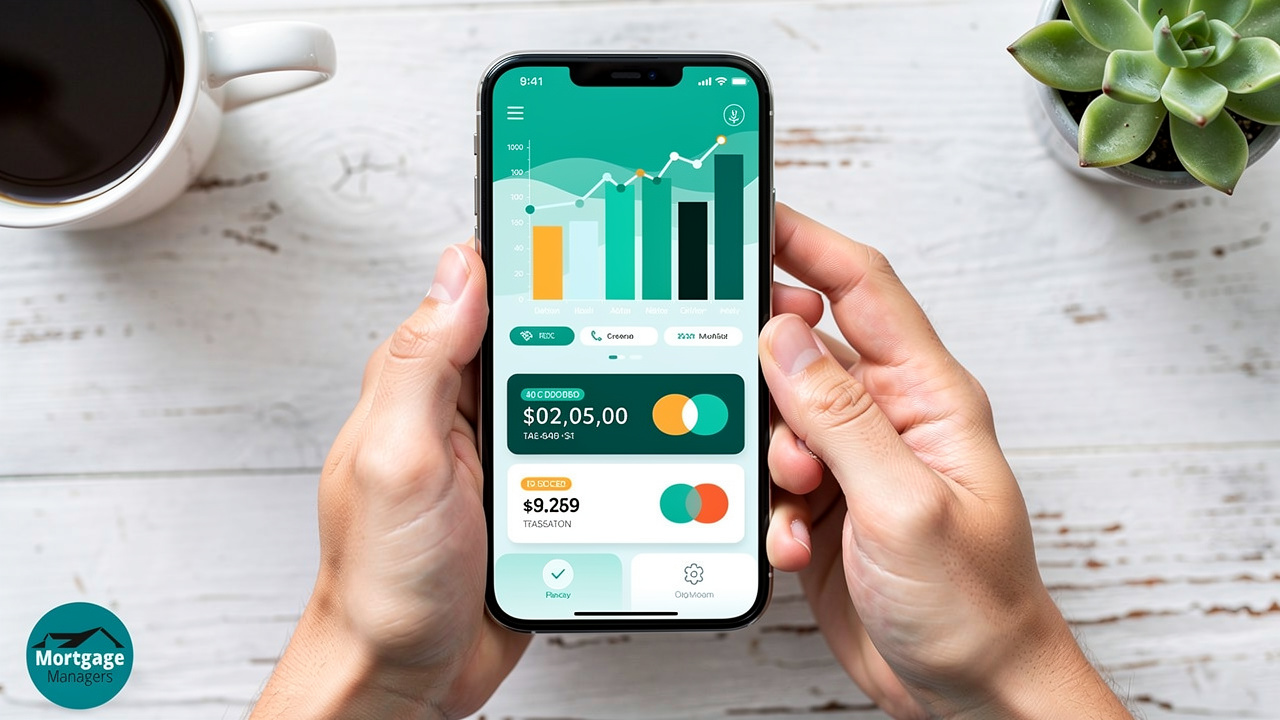
The one habit that changes everything is tracking where your money actually goes, line by line. Before you build any formal budget, spend 20 minutes with your banking app. Scroll through the last 30 days of transactions and notice every coffee, subscription, tap‑and‑go purchase, and cash withdrawal.
MoneyHub founder Christopher Walsh urges Kiwis to do this simple review regularly, because it shows where money “slips through the cracks” (MoneyHub). Most people are shocked at how much disappears on takeaways, unused subscriptions, and fees. That awareness alone often frees $50 to $100 a week without harming your lifestyle.
“A budget is telling your money where to go instead of wondering where it went.”
— Dave Ramsey
Here is why this matters. Redirecting $50 to $100 per week into savings or extra mortgage payments comes to roughly $2,600 to $5,200 per year. Over just three years, that could add more than $15,000 to a first home deposit. Tracking is free, quick, and gives you the facts you need for the next step.
Simple Tracking Task You Can Do Tonight:
Open your main bank account in your app or online banking.
Export or scroll through the last 1–3 months of transactions.
Highlight or tag:
Non‑essential spending (takeaways, entertainment, impulse buys).
Regular bills (rent, power, insurance, petrol).
Fees and interest (bank fees, card interest).
Add up each group. The non‑essentials and fees are your first targets for change.
How To Build A Budget That You’ll Actually Stick To

How to build a budget you will actually stick to starts with your real numbers and your real life. A strong budget supports your goals while still letting you live like a human. It should guide your choices, not punish you.
A common starting point is the 50/30/20 rule. That means around half of your after‑tax income goes to needs, 30 percent to wants, and 20 percent to savings and debt. In cities like Auckland and Wellington, housing alone can sit near that 50 percent mark. So think of the rule as a guide, then adjust it to match your rent or mortgage reality.
Zero‑based budgeting is another simple method. Every dollar of income gets a job at the start of the month, whether that is groceries, petrol, Spotify, KiwiSaver, or extra mortgage payments. Nothing is left “unassigned,” which reduces the chance of money drifting away without purpose.
Once you have a picture from your bank statements, use that to shape your limits. Sorted’s budget planner from the Commission for Financial Capability and New Zealand tools such as PocketSmith make this process much easier (Sorted). Research shared by ANZ also shows that active saving is one of the strongest signs of good financial wellbeing.
List Every Source Of Income With Clear Amounts
Start with take‑home pay, benefits, side gigs, business income, and any rental income. Write each figure down so you see your total monthly cash in one place. This step sounds simple, yet it gives you a clean starting line for all the choices that follow.Group Your Expenses Into Needs, Wants, And Goals
Needs cover housing, food, utilities, debt minimums, and transport. Wants cover restaurants, streaming, hobbies, and treats. Goals include savings, extra repayments, and investing (such as index funds or term deposits), and they deserve their own line so they do not get lost.Set Limits That Match Your Real Life, Then Trim Gradually
Use three to six months of spending history to decide realistic limits for each category. If food or fuel is higher than you like, shrink it in small steps rather than one huge cut. Gentle progress is far easier to keep going than sudden, strict rules.Review And Adjust Your Budget Every Month
Once a month, compare your plan with what actually happened. Look for categories that went over and ask why, without beating yourself up. Tweak the numbers so your budget stays honest instead of becoming a wish list you ignore.
This Week’s Action: choose one budgeting method (50/30/20 or zero‑based), write it out, and commit to testing it for the next month.
Budgeting Tools That Work For New Zealanders
Budgeting tools that work for New Zealanders make it easier to stick with strong money habits over time. The right tool keeps everything in one place and reduces how much mental energy the process needs.
PocketSmith – A New Zealand‑based app that pulls in your bank data and shows future cash flow based on your habits.
Sorted Budget Planner – A free online budget calculator and worksheets backed by the Commission for Financial Capability (Sorted).
MoneyHub Templates – Printable budget templates that many first home buyers find simple to use (MoneyHub).
Whichever tool you choose, build a 5 to 10 percent “buffer” line into your budget. Irregular costs like car repairs, kids’ trips, and birthdays land here so they do not wreck the plan. Then, set up automatic transfers to your savings accounts on payday, which connects your budget directly to the “pay yourself first” habit.
The Fastest Way To Kill Your Financial Progress: High-Interest Debt
The fastest way to kill your financial progress is to carry high‑interest debt while trying to save. Strong money habits treat expensive debt as a priority, because it quietly steals future choices. Every month that balance sits there, it drains your deposit or slows your mortgage reduction.
Credit cards are the clearest example, and research on Frontiers | The role of mental accounting explains why people consistently underestimate the true cost of revolving credit balances. Research shared by MoneyHub notes that many New Zealand cards charge around 20 to 25 percent per year. On a $5,000 balance, that means roughly $1,000 to $1,250 in interest every year, just for the right to owe money. Rewards points do not come close to offsetting that cost.
Buy‑now‑pay‑later services such as Afterpay and Laybuy can create similar issues. Small fortnightly payments feel harmless, yet they stack up fast. Lenders such as ANZ and Westpac now look closely at BNPL use on bank statements. Heavy use tells them you may live beyond your means, which cuts the amount they are willing to lend.
Payday loans and store cards can be even more expensive, and findings on The Inflation Illusion: How New Zealand households overestimate food price increases suggest many Kiwis take on debt based on distorted perceptions of their own cost of living. The advertised weekly payment can hide very high rates and fees, which reduce how much you can put toward your goals.
Debt also shapes your credit history. Experian explains that using more than about 30 percent of your available credit can pull your score down. A lower score and high credit limits can both reduce your borrowing power. Clearing cards and personal loans before a home loan application can make a real difference to your approval odds.
For some households, rolling several expensive debts into a cheaper home loan structure makes sense. Mortgage Managers advisers regularly model these options, showing clients how total interest and loan term change. That way you can see clearly whether the move supports your long‑term plans.
Quick Wins To Start Reducing Debt:
Stop adding new purchases to credit cards or BNPL.
Set a small extra repayment on your worst debt, even if it is only $20 a fortnight.
Call your bank and ask if they can reduce your card limit or interest rate.
Avalanche Vs Snowball: Which Debt Payoff Method Is Right For You
Avalanche and snowball are the two simple methods most people use to clear debt faster. Both work well when you stick with them, so the best method is the one you will keep doing.
Avalanche Method Focuses On The Highest Interest Rate First
With this method, you pay minimums on every debt, then send any extra money to the debt with the highest rate. Once that balance is gone, you shift the extra payment to the next most expensive debt. This way you pay less total interest across all your debts.Snowball Method Focuses On The Smallest Balance First
Here you again pay minimums on everything, then throw extra money at the smallest balance. Clearing a whole account feels satisfying and builds momentum. After each “win,” you roll that payment on to the next balance, like a snowball rolling down a hill.Choosing And Combining Methods With Smart Advice
You can mix both approaches, for example clearing one small balance for motivation then switching to avalanche. If your debts feel messy, Mortgage Managers can review options such as consolidation into a lower‑rate structure. The key is to pick a plan and link it to automatic payments so progress happens every payday.
A simple rule: if you are very numbers‑driven, avalanche suits you; if you are more motivated by quick wins, snowball might keep you going for longer.
Savings, Emergency Funds, And KiwiSaver: Building Your Financial Safety Net

Savings, emergency funds, and KiwiSaver together form your financial safety net. Strong money habits in these areas protect you from shocks and move you closer to home ownership. They also reduce the stress you feel when markets or interest rates change.
Your first layer is an emergency fund in a separate, on‑call savings account. Many experts, including those cited by Experian, suggest building three to six months of essential expenses. That target can sound huge, so start with $1,000 to $3,000 while you save for a deposit. Even that small buffer can stop a car bill from turning into new credit card debt.
“An emergency fund is your own personal safety net.”
— Suze Orman
Recent reporting by RNZ shows that New Zealanders without savings are among the most financially vulnerable. A single surprise often means more borrowing, which feeds a cycle of stress. Treat your emergency fund as a non‑negotiable bill in your budget, and you slowly move out of that danger zone.
The next layer is regular savings for short and medium goals. That might include a home deposit, renovations, building a small business, or kids’ education. Automating payments into separate “goal” accounts makes progress easy to see. Research shared by ANZ notes that active savers feel more in control and are more likely to invest in property over time.
You can also add simple investments once your emergency fund is in place, such as:
Low‑fee index funds.
Term deposits for short‑term goals.
Dividend‑paying shares that can create small amounts of passive income over time.
Finally, KiwiSaver acts as both a retirement fund and, for many, a deposit booster. After three years in a KiwiSaver scheme, many first home buyers can withdraw most of their balance toward a property. Mortgage Managers often helps clients combine that withdrawal with a Kāinga Ora First Home Loan that allows deposits as low as 5 percent, where eligibility is met.
Open A Separate Emergency Account And Give It A Clear Label
Choose a high‑interest online savings account away from your everyday spending account. Name it something like “Family Safety Fund” to remind yourself of its purpose. The slight friction of moving money out helps you pause before dipping into it.Automate Small, Regular Transfers Into This Account
Even $20 to $50 per week builds up over a year. Set the transfer for the day your income lands so you are never tempted to skip it. Treat that transfer with the same respect you give your rent or mortgage.Keep Your Safety Net Out Of Risky Investments
An emergency fund is not the place for shares or crypto, because balances can jump around. You want this money stable and reachable within a day or two. Growth comes from time and consistency, not from taking big risks with your last safety buffer.
How To Make KiwiSaver Work Harder For Your First Home
KiwiSaver can work much harder for your first home when you tweak a few settings. The mix of your own contributions, employer payments, and government credits adds up faster than many people think.
First, check that you contribute enough each year to receive the full government member tax credit. Sorted explains that contributing at least $1,042.86 per year means you can receive up to $521.43 in credits (Sorted). That is a strong return for money you were saving anyway. If cash is tight, spread that amount across the year so the weekly impact feels small.
Next, match your fund type to your time frame:
If your first home goal is five or more years away, a growth fund usually suits better, because it targets higher long‑term returns.
If you hope to buy within the next two to three years, you may want a conservative or balanced fund to reduce the chance of short‑term drops just before you withdraw.
Finally, consider lifting your contribution rate above the default 3 percent. Moving to 4 or 6 percent, even for a few years, can bring your deposit date closer. Mortgage Managers advisers regularly help clients plan KiwiSaver withdrawals and link them with First Home Grants and Kāinga Ora products, so the process feels clear from the start.
Action Steps For KiwiSaver:
Log in to your KiwiSaver provider and check:
Your current fund type.
Your contribution rate.
Your total balance and fees.
Use the Sorted KiwiSaver calculator to compare different fund types and rates.
Talk to a financial adviser if you are unsure which option suits your risk comfort and time frame.
Risk Management, Extra Income, And The Habits That Protect What You’ve Built
Risk management, extra income, and steady review habits protect what you have built so far. Strong money habits here mean one bad event does not wipe out years of careful saving. They also help you stay on track through job changes, illness, or interest rate shocks.
Insurance is one key pillar. For many households, income protection, mortgage protection, and life cover make sure the mortgage can be paid if something serious happens. Home and contents insurance protects the property itself, which is often your largest asset. Regularly checking your cover against your current situation, with help from a financial adviser, keeps gaps from opening up.
Your second pillar is extra income, either from a side job or from a small business. Side work such as freelancing, casual weekend jobs, renting a room, or selling unused items on Trade Me can meaningfully lift your monthly surplus. Over time, you might turn a side gig into a micro‑business that adds more stable income.
You can also build passive income streams over the long term, for example:
A rental room or sleepout on your property.
Dividend‑paying investments.
Royalties or digital products created once and sold many times.
According to research shared by ANZ, people who actively save feel more confident about investing in property and shares. Extra income directed straight to savings or the mortgage strengthens that effect.
Small increases pack a punch over time. Sorted’s calculators show that on a $600,000 mortgage at 6.5 percent over 30 years, an extra $200 per month can save around $80,000 in interest and cut several years from the loan term (Sorted). When you combine a bit more income with a clear repayment plan, progress speeds up without dramatic lifestyle cuts.
Mortgage Managers can help you match these habits with the right loan structure. Options such as revolving credit, offset accounts, and smarter repayment frequencies work best when tied to your actual cash flow. That way your extra income, savings habits, and emergency fund all pull in the same direction.
Three Protective Habits To Start This Month:
Get quotes to check whether your insurance cover and premiums are still competitive.
Choose one simple side‑income idea and earn your first $50 from it.
Increase your regular mortgage payment or savings transfer by a small, fixed amount.
The Annual Financial Review: One Meeting That Pays For Itself

The annual financial review is a single habit that can pay for itself many times over. Treat it like a yearly warrant of fitness for your money rather than something you only do in a crisis.
Check Your Budget, Savings, And Debts Against Your Current Life
Look at whether your budget still matches your income and real spending. Review your emergency fund balance and progress toward your deposit or mortgage goals. List every debt, its rate, and its balance, then decide which ones should shrink first this year.Review KiwiSaver, Mortgage Structure, And Insurance Together
Confirm your KiwiSaver fund still suits your timeframe and risk comfort. Check whether your mortgage rate and structure remain sharp compared with current offers. At the same time, make sure your insurance cover still matches your income, family situation, and property value.Book A Session With A Mortgage Adviser To Tie It All Together
Mortgage Managers offers initial consultations and regular rate reviews with access to a range of major banks and several non‑bank lenders. Bringing bank statements, payslips, KiwiSaver details, and insurance info to that meeting gives your adviser a clear picture. Many clients find that one focused review uncovers savings that more than cover any small admin costs.
Tip: Put a recurring reminder in your calendar for the same month each year to do this review, just like a car service.
Wrapping Up
Strong money habits grow from many small choices that you repeat, not from one huge change. In a high‑cost environment, those choices decide whether money feels tight every week or starts to work for you.
Across this guide you have seen how tracking spending, building a real budget, clearing high‑interest debt, and growing an emergency fund all connect. You have also seen how KiwiSaver, insurance, business or side income, and extra repayments can support a first home purchase or faster mortgage reduction. Research from groups such as MoneyHub, ANZ, and Experian backs up the power of these habits.
You do not need to fix everything this week. Pick one action you can take today, such as:
Opening your banking app and reviewing last month’s spending.
Setting up a small automatic transfer into an emergency fund.
Cancelling a card or subscription you no longer need.
If a home loan or refinance is on your mind, book a chat with Mortgage Managers to see where you stand and what is possible. Today’s small step can be the first part of a far more confident money story.
Frequently Asked Questions
Question 1: How Much Of My Income Should I Save Each Month As A First Home Buyer In New Zealand?
A good starting aim is at least 10 percent of your after‑tax income. Many people need to start lower, then lift that figure as they trim expenses or increase earnings. Some households saving for a deposit put 20 to 30 percent aside during “sprint” periods. Mortgage Managers can help you map a savings target that fits your property goal and timeline.
Question 2: What’s The Fastest Way To Improve My Chances Of Getting A Home Loan Approved?
The fastest way is to clean up your debts and bank statements for at least six months. Clear high‑interest cards and avoid buy‑now‑pay‑later, gambling, and frequent cash withdrawals. Build a steady savings record into a separate account that lenders can see. It also helps to check your credit report with Centrix, Equifax, or illion and fix any errors before you apply.
Question 3: Is KiwiSaver Worth Increasing Above The Minimum 3 Percent Contribution Rate?
For most people, increasing KiwiSaver above 3 percent is well worth it. Your employer must usually add at least 3 percent on top, so you get extra money working for you. Moving to 4 or 6 percent can bring your first home deposit date closer. You also keep building long‑term retirement savings once the home purchase is done.
Question 4: How Big Should My Emergency Fund Be Before I Start Focusing On My Home Deposit?
Aim first for $1,000 to $3,000 so small surprises do not push you into fresh debt. After you buy and settle into your mortgage, grow that fund toward three to six months of essential expenses. Keep the money in a separate, interest‑earning savings account you do not use for day‑to‑day spending. This cushion makes every other strong money habit easier to maintain.
Question 5: What’s The Difference Between Refinancing And Restructuring My Mortgage?
Refinancing means moving your home loan to a new lender for better rates or features. This often takes four to eight weeks and can involve legal, valuation, and possible break fees. Restructuring keeps you with the same lender but changes things like term, rate, or repayment type. Mortgage Managers can compare both paths and show which one suits your goals and budget.