
Over 60 percent of australian homebuyers consider the mortgage process to be one of the most complicated financial decisions they face. Understanding how lending works in New Zealand is crucial, especially for those with australian backgrounds looking to cross the Tasman or invest in New Zealand property. With multiple loan types, strict eligibility criteria, and a range of fees, knowing what to expect can make all the difference for securing your next home.
Table of Contents
- Defining The Mortgage Process In New Zealand
- Key Steps In Securing A Home Loan
- Types Of Home Loans Available In Nz
- Eligibility Criteria And Documentation Requirements
- Costs, Fees, And Financial Considerations
- Common Pitfalls And How To Avoid Them
Key Takeaways
| Point | Details |
|---|---|
| Understanding Interest Rates | Borrowers should choose between fixed and floating interest rates, impacting repayment stability and financial planning. |
| Pre-Approval Process | Pursuing mortgage pre-approval is essential to assess financial readiness and enhance the chances of successful approval. |
| Comprehensive Documentation | Applicants must prepare thorough financial documents, including proof of income and credit history, to demonstrate lending eligibility. |
| Avoiding Financial Pitfalls | Maintaining a robust credit profile and understanding total homeownership costs can prevent financial strain and ensure sustainable mortgage management. |
Defining the Mortgage Process in New Zealand
The mortgage process in New Zealand involves several strategic steps designed to help potential homeowners secure financing for their property purchase. When exploring home loans, borrowers encounter two primary interest rate structures that significantly impact their financial planning: fixed and floating interest rates.
Fixed interest rates provide stability and predictability, allowing borrowers to lock in a consistent repayment amount for a specified period typically ranging from one to five years. This approach offers financial certainty, enabling homeowners to budget precisely without worrying about market fluctuations. Conversely, floating rates provide more flexibility but introduce potential variability in monthly repayments, as they adjust according to broader economic conditions.
Mortgage applications in New Zealand require comprehensive financial documentation and assessment. Lenders will typically evaluate your credit history, income stability, existing debts, and deposit amount to determine lending eligibility. Key documents usually include proof of income, bank statements, identification, and a detailed breakdown of your current financial obligations. Many New Zealand banks and financial institutions also consider factors like employment type (permanent vs. casual), length of current employment, and overall financial health when assessing mortgage applications.
Before commencing the mortgage journey, potential borrowers are advised to prepare a robust financial profile. This involves checking credit reports, saving for a substantial deposit (traditionally 20% of the property’s value), and ensuring consistent income documentation. Mortgage application checklists can provide invaluable guidance in streamlining this complex process, helping applicants understand exactly what documentation and financial preparations are required to enhance their chances of successful home loan approval.
Key Steps in Securing a Home Loan
Securing a home loan in New Zealand requires a strategic and methodical approach. Potential borrowers must navigate several critical stages to successfully obtain mortgage financing, each designed to assess financial readiness and lending suitability.
The initial phase involves comprehensive financial assessment. This critical step requires potential homeowners to thoroughly evaluate their current financial position, including income stability, existing debts, credit history, and savings capacity. Lenders will meticulously examine these factors to determine borrowing potential and risk profile. Borrowers should aim to demonstrate consistent income, minimal outstanding debts, and a robust savings history that indicates financial responsibility.

Saving for a substantial deposit represents another pivotal component of the home loan process. While traditional lending practices recommend a 20% deposit, many New Zealand lenders now offer more flexible options for first-time buyers. Potential borrowers should focus on accumulating funds that not only meet minimum deposit requirements but also cover associated purchasing costs such as legal fees, property valuations, and potential insurance expenses.
The final stages involve obtaining formal mortgage pre-approval and selecting an appropriate lending structure. This process includes submitting detailed financial documentation, undergoing credit assessments, and comparing different mortgage products to find the most suitable option. Borrowers should carefully consider factors like interest rate types (fixed or floating), loan terms, repayment flexibility, and potential future financial changes when making their final selection. Engaging with experienced mortgage advisers can provide invaluable guidance in navigating these complex decision-making processes and securing the most advantageous home loan arrangement.
Types of Home Loans Available in NZ
New Zealand’s mortgage landscape offers diverse home loan options designed to meet the unique financial needs of different borrowers. Home loan structures vary significantly, providing flexibility for first-time buyers, property investors, and existing homeowners seeking tailored financing solutions.
Among the primary home loan categories, first-home buyer loans represent a critical segment specifically designed to support individuals entering the property market. These specialised loan products often feature more lenient deposit requirements, potential government support schemes, and competitive interest rates to help new buyers overcome initial financial barriers. Some lenders provide unique incentives like reduced fees, lower deposit thresholds, and extended loan terms to make homeownership more accessible.
Investment property loans constitute another significant category, catering to individuals seeking to build wealth through real estate. These loans typically have different structural requirements compared to owner-occupied mortgages, with lenders assessing potential rental income, property valuation, and the borrower’s overall investment strategy. Interest-only options, higher deposit requirements, and more stringent lending criteria characterise this loan type, reflecting the increased risk profile associated with investment properties.
Variability in loan structures extends to interest rate configurations, with borrowers able to choose between fixed-rate and floating-rate mortgages. Fixed-rate loans provide predictable repayment amounts for specified periods, offering financial stability and easier budgeting. Floating-rate loans, conversely, allow more flexibility but introduce potential variability with market-driven interest rate fluctuations. Sophisticated borrowers might also explore split-rate mortgages, which divide the loan into fixed and floating components, providing a balanced approach to interest rate management and financial risk mitigation.
Eligibility Criteria and Documentation Requirements
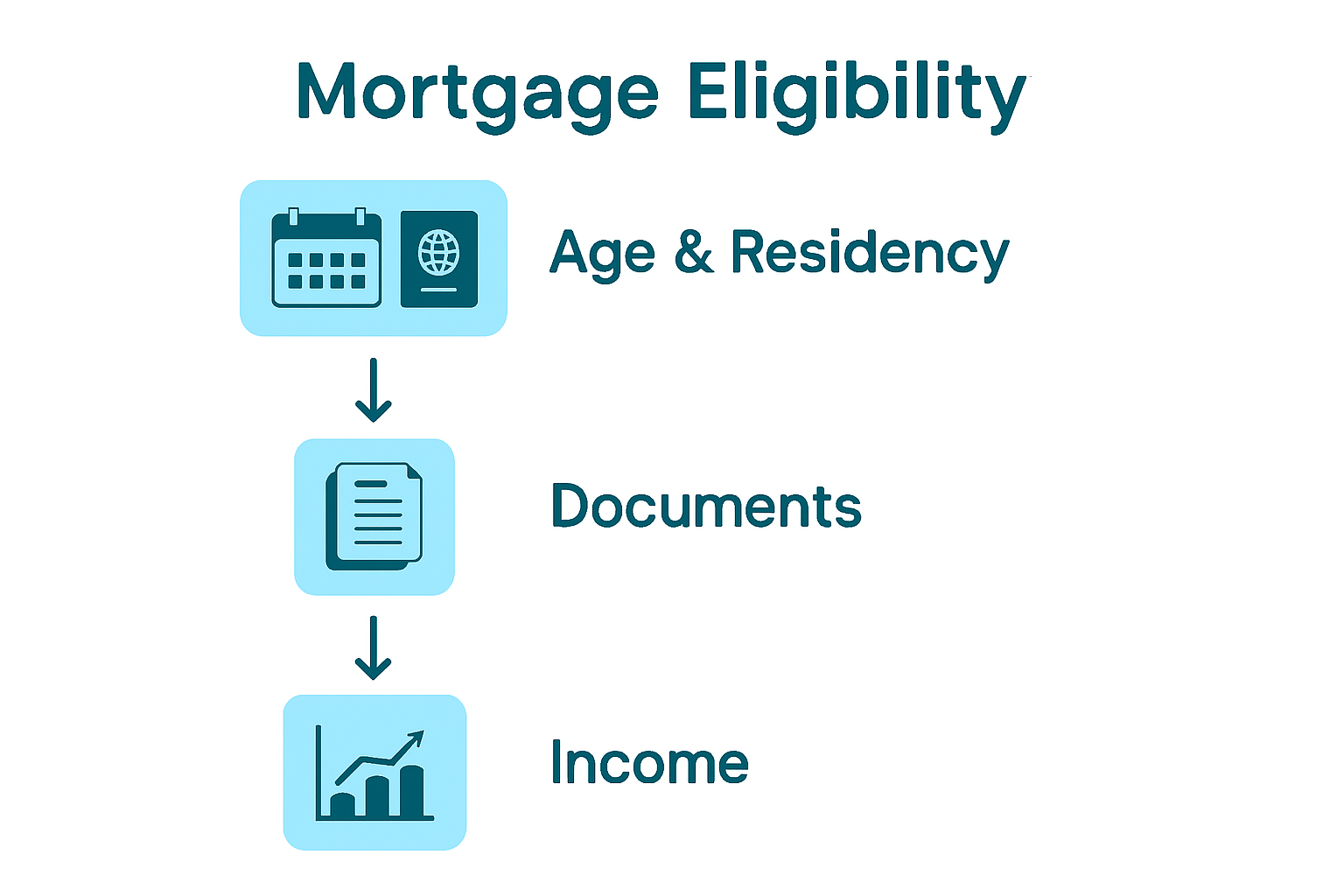
Mortgage eligibility in New Zealand involves a comprehensive assessment of an applicant’s financial health and personal circumstances. Lenders establish specific criteria to evaluate potential borrowers, focusing on multiple factors that demonstrate financial stability and repayment capacity.
The fundamental eligibility requirements typically include age, residency status, and financial standing. Applicants must be at least 18 years old and either a New Zealand citizen or permanent resident. Credit history plays a crucial role, with lenders conducting thorough assessments of past financial behaviour, including credit scores, existing debt levels, and payment consistency. Individuals with clean credit records and stable employment histories are more likely to receive favourable lending terms.
Documentation requirements represent a critical component of the mortgage application process. Prospective borrowers must prepare a comprehensive portfolio of financial documents that provide evidence of income, assets, and financial responsibility. Essential documentation typically includes recent payslips, tax returns, bank statements, proof of employment, identification documents, and detailed information about existing financial obligations. Self-employed applicants may need to provide additional documentation such as financial statements, business tax returns, and evidence of consistent income streams.
Income assessment forms the cornerstone of mortgage eligibility, with lenders implementing rigorous verification processes. They evaluate not just the total income, but also its stability, consistency, and potential for future earnings. Factors such as employment type (permanent, contract, or self-employed), length of current employment, and potential for future income growth are carefully scrutinised. Borrowers with diversified income sources, strong employment histories, and demonstrated financial discipline are typically viewed more favourably in the mortgage approval process.
Costs, Fees, and Financial Considerations
Navigating the financial landscape of mortgage acquisition requires a comprehensive understanding of the various costs and fees associated with home lending. Prospective borrowers must carefully analyse multiple financial dimensions to ensure they are fully prepared for the economic commitments of homeownership.
Initial mortgage establishment costs represent a significant financial consideration for new homebuyers. Upfront fees typically include loan application charges, legal fees, property valuation expenses, and potentially mortgage insurance premiums. These initial costs can range from 1% to 3% of the total loan value, depending on the lender and specific loan structure. Some financial institutions offer special promotions that may reduce or waive certain establishment fees, particularly for first-time homebuyers or those with excellent credit profiles.
Ongoing financial considerations extend beyond the initial loan setup, encompassing interest rate structures, potential break fees, and long-term repayment strategies. Variable interest rates can significantly impact the total cost of borrowing, with even small percentage differences translating into substantial monetary variations over the loan’s lifetime. Borrowers should carefully evaluate potential additional costs such as early repayment penalties, refinancing charges, and the financial implications of transitioning between fixed and floating rate options.
Risk management forms a crucial aspect of mortgage financial planning. Sophisticated borrowers often incorporate additional financial protections like mortgage repayment insurance, which can provide security during unexpected life events such as job loss or medical emergencies. Creating a comprehensive financial buffer that extends beyond the minimum deposit and includes contingency funds for potential interest rate fluctuations and unexpected property maintenance costs is essential for long-term financial stability and successful homeownership.
Common Pitfalls and How to Avoid Them
Navigating the mortgage landscape requires strategic awareness of potential financial traps that can derail homeownership aspirations. Borrowers must proactively identify and mitigate risks throughout their mortgage journey to ensure long-term financial stability.
Loan structure misalignment represents a significant risk for many borrowers. Selecting an inappropriate mortgage product can lead to unnecessary financial strain, with potential consequences including higher interest payments, inflexible repayment terms, and reduced financial flexibility. Common mistakes include choosing fixed-rate loans without considering potential interest rate changes, overlooking break fees associated with early refinancing, and failing to match loan structures with personal financial goals and income patterns.
Financial overextension emerges as another critical pitfall that can compromise borrowers’ financial health. Many individuals underestimate the comprehensive costs associated with homeownership, including maintenance expenses, insurance, property taxes, and unexpected repairs. Borrowers should develop a comprehensive financial buffer that extends beyond the initial deposit and monthly mortgage payments, ensuring they can comfortably manage ongoing property-related expenses without experiencing significant financial stress.
Maintaining a robust credit profile represents a fundamental strategy for avoiding mortgage-related challenges. Borrowers should consistently monitor their credit history, avoid taking on additional significant debt during the mortgage application process, and ensure all existing financial obligations are managed responsibly. Unexpected credit score fluctuations or undisclosed financial commitments can potentially derail mortgage approval, making proactive financial management and transparent communication with lenders essential for successful homeownership.
Take Control of Your Mortgage Journey with Expert Support
Understanding the mortgage process in New Zealand can feel overwhelming with so many steps like choosing between fixed and floating interest rates, meeting strict eligibility criteria, and navigating complex documentation. The challenges of preparing a strong financial profile and avoiding common pitfalls require clear guidance and personalised advice. If you want to achieve your homeownership goals without unnecessary stress, expert help is crucial.

At Mortgage Managers, our team of Auckland mortgage advisers specialises in simplifying the home loan process. Whether you need help preparing a comprehensive mortgage application checklist, selecting the ideal loan structure, or understanding the costs involved, we guide you every step of the way. Take the stress out of securing your home loan by partnering with local experts perfectly positioned to support you across Auckland and throughout New Zealand. Visit Mortgage Managers today to start your personalised mortgage journey with confidence and ease.
Frequently Asked Questions
What are the main steps in the mortgage process?
The mortgage process involves assessing your financial position, saving for a deposit, obtaining mortgage pre-approval, and selecting a suitable loan product while submitting the required documentation.
What types of home loans are available?
New Zealand offers various home loan options, including first-home buyer loans, investment property loans, fixed-rate loans, floating-rate loans, and split-rate mortgages to suit different borrower needs.
What documents are required for a mortgage application?
Essential documents include proof of income, bank statements, tax returns, identification, and details about existing financial obligations. Self-employed applicants may need to provide additional financial statements and business tax returns.
How can I avoid common pitfalls in the mortgage process?
To avoid pitfalls, ensure your loan structure aligns with your financial goals, maintain a robust credit profile, and develop a comprehensive financial buffer to cover all homeownership costs including maintenance and insurance.