
Navigating New Zealand’s property market as an aspiring investor can feel overwhelming, especially with fluctuating interest rates and evolving regulations in 2026. The good news is that with the right criteria, financing strategies, and expert guidance, you can make informed decisions that maximise returns and minimise risks. This article delivers practical, actionable tips to help you evaluate opportunities, secure optimal finance, and choose investment strategies that align with your goals. Whether you’re targeting residential rentals or exploring commercial options, you’ll gain the frameworks needed to succeed in today’s competitive landscape.
Table of Contents
- Establishing Criteria For Smart Property Investment
- Navigating Your Mortgage And Finance Options
- Choosing The Right Property Type And Investment Strategy
- Comparing Property Investment Options In New Zealand
- How Mortgage Managers Can Support Your Property Investment Journey
- Frequently Asked Questions
Key takeaways
| Point | Details |
|---|---|
| Location drives returns | Choosing areas with strong growth trends, amenities, and rental demand ensures long-term capital appreciation and consistent income. |
| Expert mortgage advice matters | Working with mortgage advisers increases your borrowing power and helps you access competitive loan products tailored to investment needs. |
| Market knowledge protects investments | Understanding current trends, legal obligations, and economic drivers helps you avoid costly mistakes and capitalise on opportunities. |
| Diversification reduces risk | Spreading investments across residential, commercial, and development projects balances potential returns with manageable exposure. |
Establishing criteria for smart property investment
Before you start browsing listings, define your investment goals and budget with precision. Are you seeking steady rental income, long-term capital growth, or a mix of both? Your answer shapes every decision that follows, from property type to location. Setting a realistic budget that accounts for deposit, purchase costs, and potential renovations prevents overextension and ensures you can weather market fluctuations.
Location and growth potential are key criteria for property selection in NZ. Evaluate suburbs based on infrastructure development, proximity to schools and transport, and historical price trends. Areas experiencing population growth or undergoing urban renewal often deliver superior returns. Check local council plans for upcoming projects that could boost demand, such as new motorways or commercial centres.
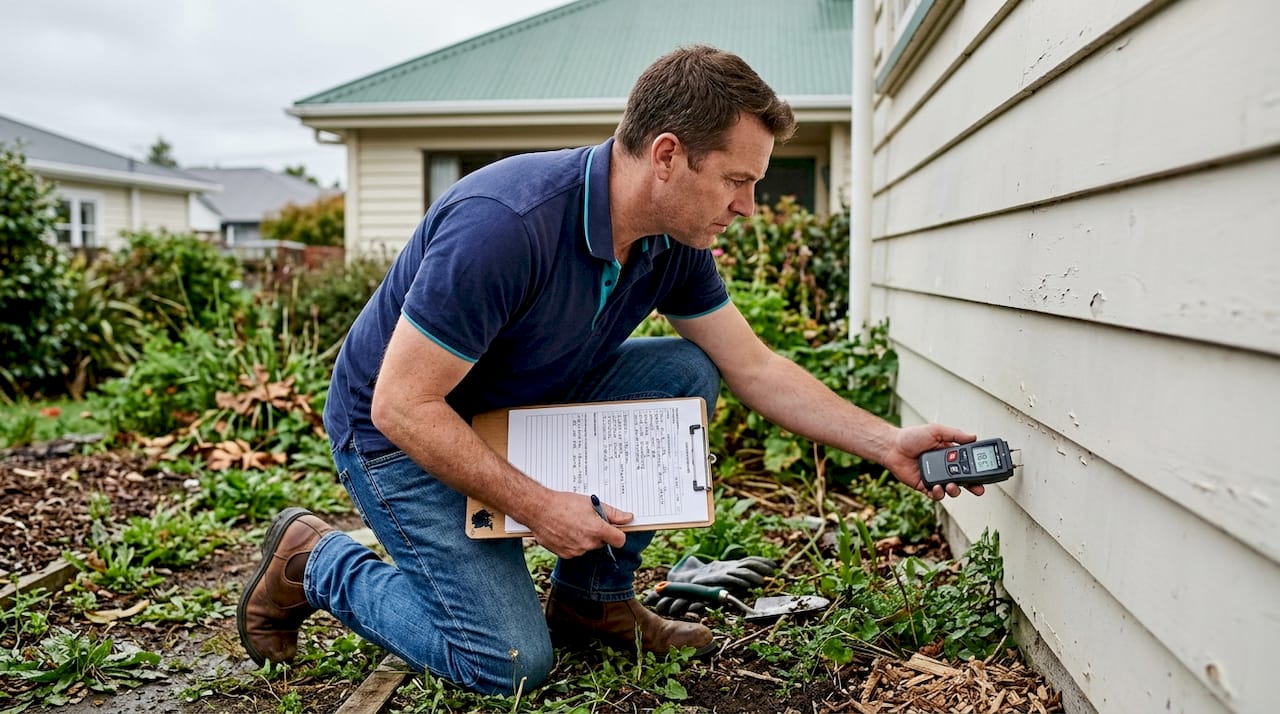
Property condition directly impacts your bottom line. A well-maintained home requires less immediate capital outlay, while a fixer-upper might offer equity gains through strategic renovations. Calculate potential renovation costs accurately by obtaining quotes from builders and factoring in consent fees. Underestimating expenses here can turn a promising investment into a financial burden.
Understand the local market and economic drivers affecting demand in your target area. Employment hubs, university campuses, and tourism hotspots create distinct tenant profiles with varying needs. Industrial zones attract different renters than beachside suburbs. Research vacancy rates, average rents, and tenant turnover to gauge whether a property will generate reliable income or sit empty between leases.
Pro Tip: Visit potential investment areas at different times of day and week to observe traffic patterns, noise levels, and neighbourhood activity. What looks perfect on a quiet Tuesday morning might reveal issues on a Friday night.
- Define clear investment goals before searching properties
- Prioritise locations with strong infrastructure and population growth
- Calculate total costs including renovations and ongoing maintenance
- Research local employment, amenities, and tenant demand drivers
Navigating your mortgage and finance options
Securing pre-approval gives you a clear picture of your borrowing power and positions you as a serious buyer when making offers. Lenders assess your income, existing debts, credit history, and deposit size to determine how much they’ll lend. Knowing this figure prevents wasting time on properties outside your reach and strengthens your negotiating position with vendors.
Mortgage advisers help investors access better loan options and prepare for purchasing in NZ. These professionals understand lender criteria across multiple institutions and can match you with products suited to investment purposes. They often secure more competitive rates than you’d find independently because of their industry relationships and volume of business. Their expertise becomes invaluable when navigating complex scenarios like multiple properties or self-employment income.
Different mortgage types serve different investment strategies. Fixed-rate loans provide payment certainty, protecting you from interest rate increases during the fixed period. Floating rates offer flexibility for making extra payments or selling without break fees. Interest-only loans reduce monthly outgoings by deferring principal repayments, freeing cash flow for additional investments or renovations. Each option carries trade-offs that depend on your financial situation and market outlook.
Prepare documentation thoroughly to improve approval chances and speed up the process. Lenders require proof of income, bank statements, tax returns, and details of existing assets and liabilities. Self-employed investors need two years of financial statements and tax assessments. Preparing for home loans in New Zealand involves organising these documents well before you start property hunting. Improving your credit score by paying bills on time and reducing credit card balances can unlock better interest rates and higher borrowing limits.
Pro Tip: Maintain separate bank accounts for investment properties to simplify tax reporting and demonstrate clear cash flow management to lenders when seeking additional finance.
- Obtain pre-approval to establish your budget and borrowing capacity
- Engage a mortgage adviser to compare products across multiple lenders
- Understand the benefits and limitations of fixed, floating, and interest-only loans
- Gather comprehensive documentation and address credit issues before applying
- Review loan structures regularly as your portfolio and goals evolve
Choosing the right property type and investment strategy
Residential properties remain the most accessible entry point for new investors, offering familiar territory and strong tenant demand in urban centres. Houses and apartments in Auckland, Wellington, and Christchurch provide steady rental income with manageable maintenance requirements. Residential investments suit those seeking passive income streams without the complexity of commercial leases or development projects.
Commercial properties deliver higher rental yields but demand more sophisticated management and longer tenant commitments. Retail spaces, offices, and industrial units typically involve triple-net leases where tenants cover rates, insurance, and maintenance. This structure reduces your ongoing costs but requires careful tenant selection and understanding of commercial property finance options. Commercial investments suit experienced investors comfortable with vacancy risks and economic cycles affecting business tenants.
Property development projects offer substantial capital gains potential but carry higher risks and require active involvement. Subdividing land, renovating for resale, or building new dwellings demands project management skills, council approval navigation, and tolerance for construction delays. Development suits investors with industry knowledge, strong financial buffers, and appetite for hands-on work. The rewards can be significant, but so can the pitfalls if costs blow out or market conditions shift during the project.
Diversifying across residential, commercial, and development projects balances risk and reward. Spreading capital across different property types and locations protects against localised downturns or sector-specific challenges. A portfolio combining a stable residential rental with a higher-yielding commercial property and occasional development project smooths income volatility while capturing growth opportunities.
Location influences returns regardless of property type. A residential unit in a high-growth suburb outperforms a similar property in a declining area. Commercial premises near transport hubs command premium rents compared to isolated locations. Buying investment property in Auckland requires understanding micro-markets within the city, as performance varies dramatically between neighbourhoods.
Tenant types shape your management workload and income reliability. Families seek long-term stability and maintain properties well but expect responsive landlords. Students accept shared accommodation but create higher turnover and wear. Corporate tenants pay premium rents for quality commercial spaces but negotiate hard on lease terms. Match your property type and location to tenant demographics that align with your management capacity and income goals.
Pro Tip: Calculate the total return on investment including both rental yield and expected capital growth, not just the headline rental percentage. A property with 4% yield in a high-growth area often outperforms one with 6% yield in a stagnant market.
| Property type | Typical yield | Management intensity | Best for |
|---|---|---|---|
| Residential house | 3-5% | Moderate | Long-term income and capital growth |
| Apartment | 4-6% | Low to moderate | Passive income with minimal land maintenance |
| Commercial retail | 5-8% | Moderate to high | Experienced investors seeking higher yields |
| Industrial unit | 6-9% | Low | Hands-off investors with stable tenant demand |
| Development project | Variable | Very high | Active investors targeting capital gains |
Comparing property investment options in New Zealand
Residential houses in established suburbs offer the most straightforward path for beginners, combining familiar processes with broad lender support. These properties typically appreciate steadily, particularly in areas with limited land supply and strong population growth. Financing is relatively simple, with most banks offering competitive rates for standard residential mortgages. The main drawbacks include lower rental yields compared to commercial options and ongoing maintenance responsibilities that can erode returns if not managed efficiently.
Apartments provide an accessible entry point with lower purchase prices and minimal outdoor maintenance requirements. Body corporate fees cover building insurance and common area upkeep, reducing your direct management burden. However, these fees can be substantial and increase over time, eating into rental returns. Apartments suit investors prioritising convenience and capital growth over maximum yield. Lending criteria can be stricter for apartments, particularly in buildings with high investor ownership or construction defects.
Commercial properties deliver superior rental yields but require larger deposits and more complex due diligence. New Zealand’s property market presents varied opportunities suited to different investor profiles. Commercial tenants typically sign longer leases, providing income stability, but vacancies can be prolonged if the location or building doesn’t meet market needs. Financing commercial purchases often requires 30-40% deposits compared to 20% for residential, and lenders scrutinise tenant quality and lease terms closely.
Development projects offer the highest potential returns but demand significant expertise, capital, and risk tolerance. Successful developments can deliver 20-30% returns, but cost overruns, consent delays, and market timing issues can quickly turn profits into losses. Most developers fund projects through a combination of equity, development finance, and presales. This option suits experienced investors with construction knowledge and financial resilience to handle unexpected challenges.
Understanding property investment loan basics helps you match financing to your chosen strategy. Residential mortgages offer the most favourable terms and lowest rates. Commercial loans carry higher interest rates and shorter terms but provide access to income-producing assets. Development finance is the most expensive and complex, typically requiring detailed project plans, quantity surveyor reports, and staged drawdowns tied to construction milestones.
Rental yields vary significantly across New Zealand regions and property types. Auckland apartments might yield 3-4% but offer strong capital growth prospects. Provincial houses in Palmerston North or Napier can deliver 5-6% yields with moderate growth. Industrial properties in Hamilton or Tauranga might achieve 7-8% yields with stable, long-term tenants. Vacancy rates also differ, with tourist areas experiencing seasonal fluctuations while university towns face annual student turnover.
| Investment option | Pros | Cons | Typical deposit | Risk level |
|---|---|---|---|---|
| Residential house | Familiar process, broad lender support, steady growth | Lower yields, maintenance responsibilities | 20-30% | Low to moderate |
| Apartment | Lower entry cost, minimal maintenance, body corporate management | Body corporate fees, stricter lending, limited land value | 20-35% | Low to moderate |
| Commercial property | Higher yields, longer leases, tenant pays outgoings | Larger deposits, vacancy risks, complex due diligence | 30-40% | Moderate to high |
| Development project | Highest return potential, value creation opportunity | High capital requirement, project risks, market timing critical | 30-50% | High |
How Mortgage Managers can support your property investment journey
Navigating property investment finance in 2026 requires expertise that goes beyond comparing interest rates online. Mortgage Managers provide personalised mortgage advice to maximise your borrowing options and match you with lenders suited to your investment strategy. Their advisers understand how different banks assess investment applications and can position your finances to secure approval even in challenging scenarios.

Starting your property journey with expert mortgage advice before viewing properties saves time and prevents disappointment. You’ll know exactly what you can afford, which loan structures optimise your tax position, and how to build a portfolio that scales sustainably. Whether you’re purchasing your first rental or expanding an existing portfolio, Mortgage Managers’ expert advisers deliver the insights and lender access that turn investment goals into reality. Their team serves Auckland and remotely throughout New Zealand, bringing local market knowledge and nationwide lending relationships to every client.
Frequently asked questions
What are the key factors to consider when investing in property in New Zealand?
Location remains the primary driver of investment success, so prioritise areas with strong employment, infrastructure development, and population growth. Your financing structure and borrowing capacity determine what properties you can afford and how many you can acquire over time. Understanding current market conditions, including rental demand and vacancy rates, protects you from overpaying or choosing poorly performing assets. Clear investment goals aligned with your risk tolerance and timeline ensure every decision moves you toward your desired outcomes.
How can mortgage advisers help with property investment loans in NZ?
Mortgage advisers access multiple lenders and understand their specific criteria for investment loans, often securing better rates and terms than you’d find independently. They prepare your application to highlight strengths and address potential concerns before submission, improving approval chances significantly. Advisers save you countless hours of research and paperwork while providing strategic advice on loan structures that optimise tax efficiency and cash flow. Their ongoing support helps you refinance as your portfolio grows and market conditions change.
What types of properties are best for first-time investors in New Zealand?
Residential houses and apartments in established suburbs with strong rental demand offer the most straightforward entry point for beginners. These properties provide familiar processes, broad lender support, and manageable maintenance requirements compared to commercial or development options. Focus on areas with good schools, transport links, and amenities that attract quality long-term tenants. Starting with a single residential property builds your experience and equity before considering more complex investments.
How much deposit do I need for an investment property in New Zealand?
Most lenders require 30-40% deposit for investment properties, higher than the 20% typical for owner-occupied homes. Some banks offer 20% deposit options for investors with strong financials and existing equity, but these attract higher interest rates and stricter serviceability tests. Commercial properties and development projects typically require 30-50% deposits due to their higher risk profile. Building a larger deposit improves your borrowing power and reduces ongoing interest costs significantly.
What are the ongoing costs of owning an investment property?
Beyond your mortgage payments, budget for rates, insurance, maintenance, property management fees if using an agent, and potential vacancy periods. Residential properties typically require 1-2% of property value annually for maintenance, while apartments add body corporate fees ranging from $2,000 to $8,000 yearly. Commercial properties often have lower direct costs because tenants cover rates and insurance under triple-net leases. Factor in accounting fees for tax returns and potential legal costs for tenancy issues when calculating your expected returns.